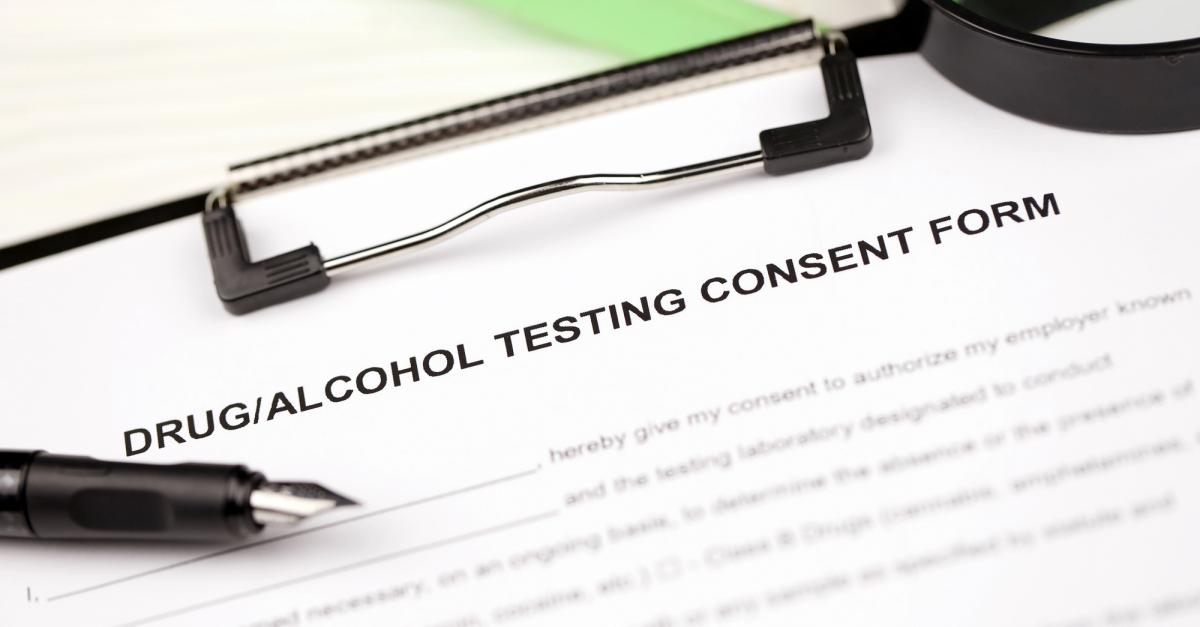
Few workplace safety policies vary as widely as drug and substance testing. At its September 23 meeting, the KCMA Safety Subcommittee took up onboarding, safety-sensitive positions, and drug screening. Members compared how their companies approach testing, what happens after a positive result, and how technology is changing incident response. The discussion showed considerable variation across the membership — and no single right answer. What follows is a summary of that conversation.
Summarized from the Onboarding, Safety-Sensitive Positions, and Drug Screening Discussion
Drug Testing Practices Vary Widely
Most members conduct pre-employment testing, but some have moved away from testing applicants and instead focus on safety-sensitive positions, incidents, or reasonable suspicion. Random testing also differs, ranging from monthly or quarterly selections to testing all employees. Drivers are often subject to more frequent or DOT-required testing.
Testing methods discussed included:
- Urine testing, the method most often used by member companies.
- Hair follicle testing.
- Oral swab testing.
Members also discussed procedures to prevent sample tampering and to address employees who cannot provide a sample.
Post-Incident Testing and Reasonable Suspicion
Post-incident testing policies differ. Some companies test after all incidents or any property damage, while others limit testing to situations where impairment may reasonably have contributed. Members discussed OSHA's concern that overly broad post-incident testing can discourage injury reporting — a risk worth weighing when writing or revising a policy.
Safeguards discussed for reasonable-suspicion testing included:
- Requiring two independent observers.
- Using objective criteria to reduce bias and avoid targeting particular employee groups.
Consequences of a Positive Test
Responses to a positive test vary among members and include:
- Termination after the first positive test.
- Referral to rehabilitation or an Employee Assistance Program (EAP).
- Removal from safety-sensitive duties.
- Follow-up testing, with termination reserved for a subsequent positive test.
Deciding Which Positions Are Safety-Sensitive
The committee discussed how companies determine which positions are safety-sensitive. Common examples include:
- Truck drivers. Typically included, and often covered by DOT requirements.
- Forklift operators. Generally included.
- Maintenance positions. May be included when the work involves hazards such as fall protection, confined spaces, electrical work, or arc flash.
Retraining and Safety Technology
Retraining after incidents is common, particularly for forklift operators and drivers, and may occur regardless of the drug test result. Members are also increasingly using technology to improve safety, including:
- AI-enabled cameras.
- Telematics and electronic logging devices (ELDs).
- Forward-facing and in-cab cameras.
- Automated retraining.
Looking Ahead
The subcommittee selected Lockout/Tagout as the October discussion topic, scheduled for October 28, 2026, from 12:00–1:00 PM. PPE and employee safety training/learning management system (LMS) practices were identified as future discussion topics.
There is no single right drug-testing program. The common thread is a deliberate, documented approach — defined safety-sensitive roles, clear consequences, and safeguards that don't discourage employees from reporting injuries.
Employers should consult legal counsel on testing programs, since requirements vary by state and by role.
THIS DOCUMENT IS PROVIDED BY KITCHEN CABINET MANUFACTURERS ASSOCIATION (“KCMA”) FOR INFORMATIONAL PURPOSES ONLY. ANY INACCURACY OR OMISSION IS NOT THE RESPONSIBILITY OF KCMA. DETERMINATION OF WHETHER AND/OR HOW TO USE ALL OR ANY PORTION OF THIS DOCUMENT IS TO BE MADE IN YOUR SOLE AND ABSOLUTE DISCRETION. PRIOR TO USING THIS DOCUMENT OR ITS CONTENTS, YOU SHOULD REVIEW IT WITH YOUR OWN LEGAL COUNSEL. NO PART OF THIS DOCUMENT CONSTITUTES LEGAL ADVICE. USE OF THIS DOCUMENT IS VOLUNTARY. KCMA DOES NOT MAKE ANY REPRESENTATIONS OR WARRANTIES WITH RESPECT TO THIS DOCUMENT OR ITS CONTENTS. KCMA HEREBY DISCLAIMS ALL WARRANTIES OF ANY NATURE, EXPRESS, IMPLIED OR OTHERWISE, OR ARISING FROM TRADE OR CUSTOM, INCLUDING, WITHOUT LIMITATION, ANY IMPLIED WARRANTIES OF MERCHANTABILITY, NONINFRINGEMENT, QUALITY, TITLE, FITNESS FOR A PARTICULAR PURPOSE, COMPLETENESS OR ACCURACY. TO THE FULLEST EXTENT PERMITTED BY APPLICABLE LAWS, KCMA SHALL NOT BE LIABLE FOR ANY LOSSES, EXPENSES OR DAMAGES OF ANY NATURE, INCLUDING, WITHOUT LIMITATION, SPECIAL, INCIDENTAL, PUNITIVE, DIRECT, INDIRECT OR CONSEQUENTIAL DAMAGES OR LOST INCOME OR PROFITS, RESULTING FROM OR ARISING OUT OF A COMPANY’S OR INDIVIDUAL’S USE OF THIS DOCUMENT, WHETHER ARISING IN TORT, CONTRACT, STATUTE, OR OTHERWISE, EVEN IF ADVISED OF THE POSSIBILITY OF SUCH DAMAGES.