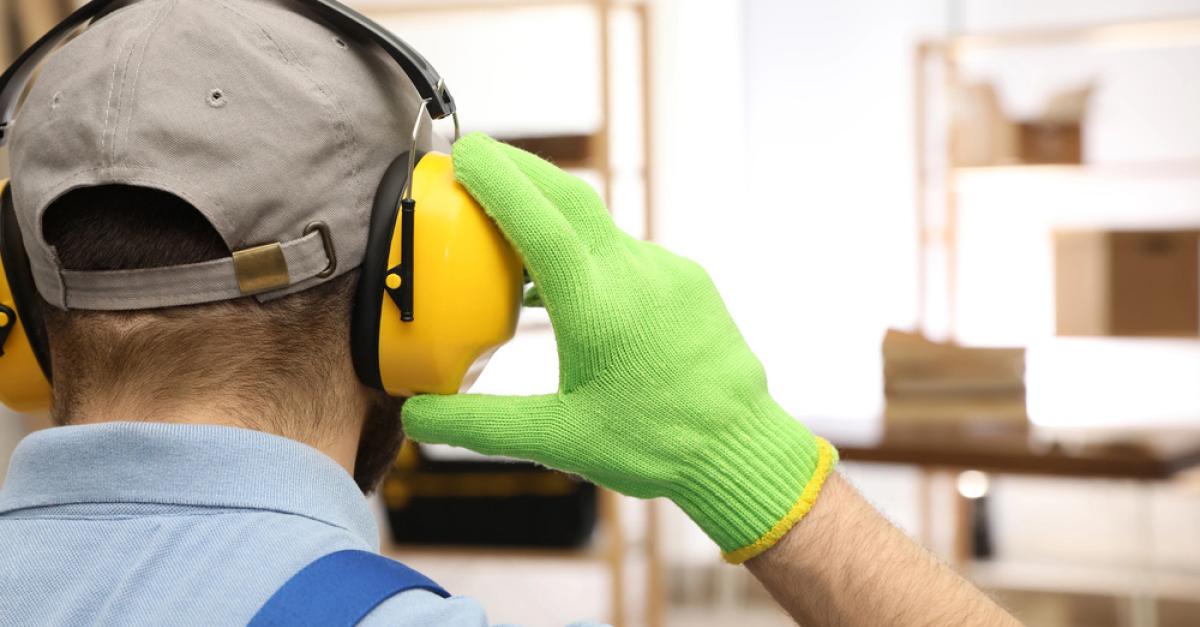
Across manufacturing floors, the roar of machinery, pneumatic blowers, and air compressors is simply part of the job. But for thousands of workers, that daily noise comes at a hidden cost — gradual, irreversible hearing loss. A recent roundtable discussion hosted by the KCMA Safety Subcommittee brought together safety professionals from multiple companies to assess how effectively the industry is confronting this invisible hazard.
The conversation covered four core areas: identifying where hearing protection is required, how compliance is enforced, the state of annual hearing testing, and what companies are doing to reduce noise at the source. The picture that emerged is one of broad consensus on the basics — and significant variation in everything else.
Mapping the Danger Zones
Most participants agreed that hearing protection requirements are concentrated in manufacturing and production areas, where noise exposure is greatest. The common trigger threshold is 95 decibels (dB) — a level that, with sustained exposure, poses a real risk of permanent hearing damage.
Facility-wide noise mapping is the most widely used tool for identifying hazardous zones, though approaches vary. Some organizations designate only specific high-noise pockets; others mandate hearing protection across the entire production floor. Adding to the complexity, noise levels fluctuate with shifts in machinery, staffing, and production volume, requiring repeated measurements and making clean boundary lines difficult to draw.
A number of companies have turned to third parties — including insurance providers and equipment rental services — to conduct noise monitoring, freeing up internal safety staff while bringing outside expertise to bear. Notably, while management is generally exempt from mandatory hearing protection requirements, many leaders voluntarily wear protection in high-noise areas, modeling the behavior they expect from workers.
Enforcement Falls on the Front Line
When it comes to enforcement, supervisors carry the bulk of the load. Roundtable participants consistently pointed to direct supervisory oversight as the primary mechanism for ensuring workers comply with hearing protection rules — a model that places significant responsibility on front-line managers.
Training is built into the onboarding process and reinforced through annual sessions that cover proper selection and use of hearing protection devices. Upper management is responsible for setting expectations and maintaining a culture of compliance, but the day-to-day work of enforcement happens at the supervisory level.
Annual Testing: Consistent in Theory, Complicated in Practice
Most organizations conduct annual audiometric testing through third-party providers, typically using mobile testing units brought on-site. These vendors maintain testing records and administer pre-test questionnaires designed to flag non-occupational noise exposure — hunting, concerts, power tools at home — that could skew results.
But the process is far from seamless. Background noise can compromise the accuracy of mobile unit testing. Scheduling retests for employees who were absent on testing day creates logistical headaches. And companies are split on baseline audiograms at onboarding: while best practice recommends them, cost pressures and high turnover have led some to forgo them — a gap that can complicate later assessments of whether hearing loss is work-related.
Attacking Noise at the Source
Beyond personal protective equipment, participants discussed engineering controls as a longer-term solution to noise problems. Repairing air leaks, managing noisy blowers, and deploying sound blankets, acoustic foam, and sound curtains were among the strategies mentioned — though participants acknowledged that effectiveness varies considerably depending on the application and facility layout.
One recurring theme: newer equipment isn’t automatically quieter. Roundtable participants flagged the importance of evaluating noise output during the procurement process — a step that is often overlooked but can make a significant difference in long-term noise management.
When Hearing Shifts: Sorting Out the Cause
Standard threshold shifts — measurable changes in a worker’s hearing — require careful follow-up, and the group discussed how to distinguish work-related causes from outside factors. Temporary shifts are commonly linked to illness (such as sinus infections), earwax buildup, or recent off-the-job noise exposure. Pre-test questionnaires are the main tool for surfacing these possibilities.
Most companies conduct retesting before drawing conclusions, prioritizing the distinction between temporary and permanent hearing loss. The approach reflects a broader awareness that determining work-relatedness requires context — and that jumping to conclusions in either direction carries risk.
The Bottom Line
The roundtable made clear that hearing conservation programs across KCMA member companies share a common foundation: noise mapping, annual training, and third-party audiometric testing. But consistency gives way to variation when it comes to enforcement rigor, baseline testing, and noise reduction investment.
The risk of doing just enough is real. Hearing loss is permanent, cumulative, and often silent until significant damage has already occurred. For safety professionals in the industry, the message from this discussion is clear: accurate noise assessment, consistent enforcement, and proactive noise control aren’t optional upgrades — they’re the baseline for protecting workers who may not know they’re being harmed until it’s too late.
THIS DOCUMENT IS PROVIDED BY KITCHEN CABINET MANUFACTURERS ASSOCIATION (“KCMA”) FOR INFORMATIONAL PURPOSES ONLY. ANY INACCURACY OR OMISSION IS NOT THE RESPONSIBILITY OF KCMA. DETERMINATION OF WHETHER AND/OR HOW TO USE ALL OR ANY PORTION OF THIS DOCUMENT IS TO BE MADE IN YOUR SOLE AND ABSOLUTE DISCRETION. PRIOR TO USING THIS DOCUMENT OR ITS CONTENTS, YOU SHOULD REVIEW IT WITH YOUR OWN LEGAL COUNSEL. NO PART OF THIS DOCUMENT CONSTITUTES LEGAL ADVICE. USE OF THIS DOCUMENT IS VOLUNTARY. KCMA DOES NOT MAKE ANY REPRESENTATIONS OR WARRANTIES WITH RESPECT TO THIS DOCUMENT OR ITS CONTENTS. KCMA HEREBY DISCLAIMS ALL WARRANTIES OF ANY NATURE, EXPRESS, IMPLIED OR OTHERWISE, OR ARISING FROM TRADE OR CUSTOM, INCLUDING, WITHOUT LIMITATION, ANY IMPLIED WARRANTIES OF MERCHANTABILITY, NONINFRINGEMENT, QUALITY, TITLE, FITNESS FOR A PARTICULAR PURPOSE, COMPLETENESS OR ACCURACY. TO THE FULLEST EXTENT PERMITTED BY APPLICABLE LAWS, KCMA SHALL NOT BE LIABLE FOR ANY LOSSES, EXPENSES OR DAMAGES OF ANY NATURE, INCLUDING, WITHOUT LIMITATION, SPECIAL, INCIDENTAL, PUNITIVE, DIRECT, INDIRECT OR CONSEQUENTIAL DAMAGES OR LOST INCOME OR PROFITS, RESULTING FROM OR ARISING OUT OF A COMPANY’S OR INDIVIDUAL’S USE OF THIS DOCUMENT, WHETHER ARISING IN TORT, CONTRACT, STATUTE, OR OTHERWISE, EVEN IF ADVISED OF THE POSSIBILITY OF SUCH DAMAGES.