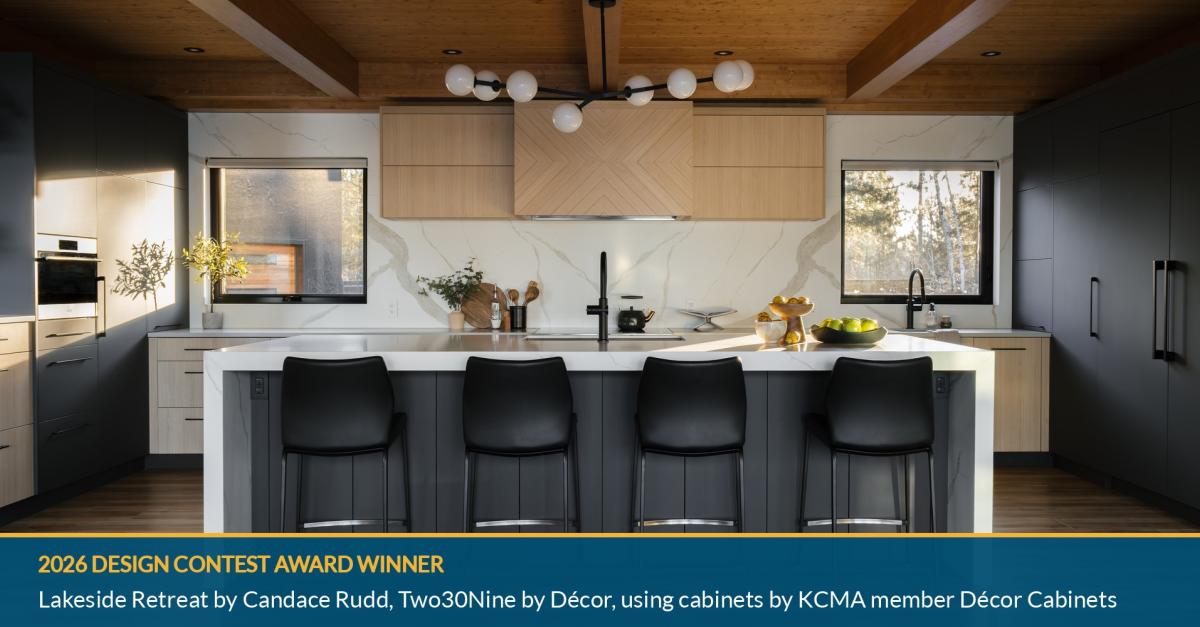
By Candace Rudd, general manager at Two30Nine by Decór.
Choosing the right cabinets is one of the most significant decisions in a kitchen project. It can impact everything from the architectural feel of the room to the practical storage of kitchen utensils.
Candace Rudd, a certified master kitchen and bath designer and general manager at Two30Nine by Decor, provides insights about the fundamental characteristics of the two most common cabinet construction types: framed and frameless.
Learn the differences between these two popular kitchen cabinet types.
Structural Foundations: How Construction Defines Style
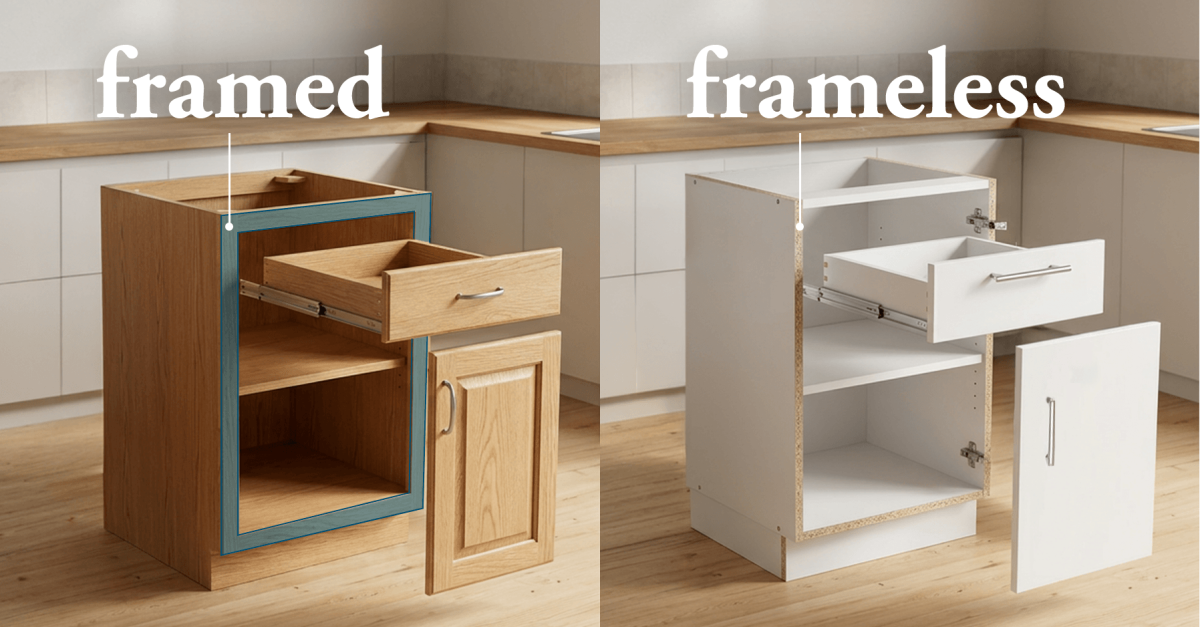
The primary difference between framed and frameless kitchen cabinets is how the cabinets derive their strength and how the doors are attached.
Framed Cabinets
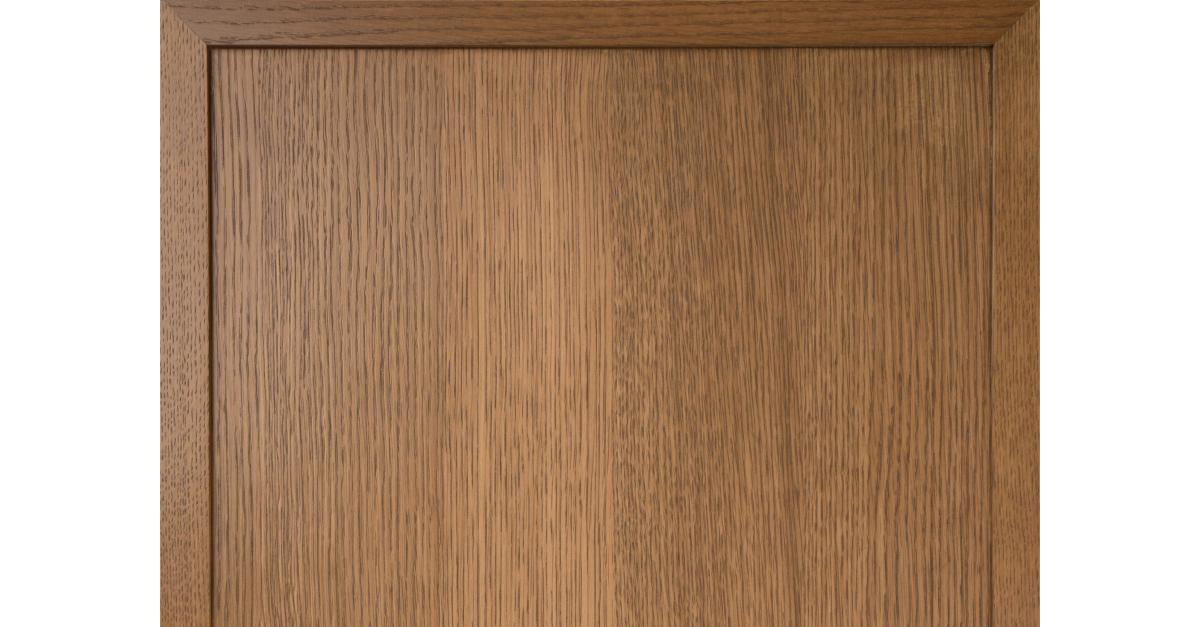
Framed cabinets — traditionally known as American style — feature a solid wood face frame attached to the front of the cabinet box. The solid wood face frame is typically 1.5 inches wide and three-fourths of an inch thick, using the hardwood that matches the cabinet’s specific construction. Characteristics of framed kitchen cabinets include the following:
- Structure: The face frame provides the essential structural rigidity for the unit and serves as the primary mounting point for the doors.
- Aesthetics: The framed style creates a “furniture-like” look with visible borders around cabinet doors and drawers.
- Design Fit: They are ideal for traditional or transitional spaces, especially those utilizing inset doors or decorative moldings (e.g., crown molding).
Framed cabinets shine when paired with detailed moldings and raised panels, as these elements lean into the structured, furniture-inspired feel of that construction style.
Frameless Cabinets
Frameless kitchen cabinets, commonly known as European kitchen cabinets, eliminate the face frame entirely. Characteristics of frameless kitchen cabinets include the following:
- Structure: These full-access cabinets derive their strength from the cabinet box itself, using thicker sides, floors and backs.
- Aesthetics: The doors cover the entire cabinet box.
- Design Fit: They excel in modern, minimal or contemporary designs.
Frameless cabinets are growing in popularity in the United States, following their established dominance in the Canadian market.
The Strength Myth
Homeowners often assume framed cabinets are stronger because of the visible wood frame. However, a properly built frameless cabinet is equally durable, as both types can meet professional cabinet standards for long-term performance.

Maximizing Your Kitchen: Storage and Accessibility
Functional trade-offs are often the deciding factor when choosing between framed and frameless cabinets.
- Usable Space, Durability: Frameless cabinets generally provide about 20% more storage and full access than framed options. Conversely, framed cabinets utilize the face frame as a structural backbone. This provides incredible rigidity, ensuring the cabinet box remains perfectly square and stable over decades of heavy use.
- Design Flexibility: Framed cabinets offer a variety of aesthetic looks, including partial overlay, full overlay or the high-end inset look. Frameless cabinets are limited to a modern, full-overlay aesthetic, creating a seamless appearance.
- Drawer Height: In framed cabinets, the horizontal frame reduces the interior height of drawers. This can prevent larger items, like a plastic sandwich bag box and a potato masher, from fitting comfortably when the drawer is closed. A benefit is framed cabinets allow for a variety of styles, including the sought-after inset drawer look.
- Center Stiles: Framed cabinets often include a center stile (vertical divider), which can obstruct access to wide shelves. You can usually go up to 24 inches in width without a center stile. Conversely, frameless cabinets can typically accommodate wide drawers and roll-out pantries — up to 36 inches — without a center partition.
- Hardware Mounting: The solid wood frame is exceptionally durable for mounting cabinet hinges and hardware.
Installation Logistics and Costs
Both framed and frameless cabinet styles require professional skill to install, and they present different requirements on-site.
Frameless cabinets require more precise installation because there is no face frame to conceal inconsistencies. The tighter door and drawer reveals leave very little tolerance for uneven walls, floors or cabinet alignment. For a premium look, applied panels can be used on frameless cabinets to capture the full depth and hide gaps against uneven walls.
In comparison, framed cabinets are generally more forgiving during installation. You can use extended stiles or fillers to hide gaps where walls are not perfectly straight. Additionally, the face frame acts as a reinforced “bridge” for the entire cabinet. This makes framed cabinets exceptionally sturdy for heavy countertops (like thick quartz or granite).
Framed and frameless cabinets often have very similar linear foot pricing. Inset cabinetry, which is a specialized type of framed cabinetry, remains the most premium option. Because the doors must sit perfectly within an opening, they require the structural support of a solid wood face frame to maintain the precise tolerances needed for the doors to open and close without hitting the edges.
Quality Above All: The Role of Certification
Regardless of the construction style, selecting quality certified cabinets is the most critical decision for a project’s longevity. The KCMA A161.1 quality certification ensures that the cabinets have been rigorously tested for the following:
- Structural integrity
- Moisture resistance
- Hardware performance
- Finish durability
Aesthetics alone do not guarantee longevity. By choosing certified cabinets, you remove the guesswork and ensure that your design is backed by proven, high-performance cabinet standards.
Candace Rudd is the general manager at Two30Nine by Decór and a distinguished Certified Master Kitchen and Bath Designer through the NKBA. Recently honored as the 2026 KCMA Design Contest winner, her career is defined by a commitment to excellence, professional mentoring and published industry expertise.