Image

A new era of corporate environmental regulations is emerging through Extended Producer Responsibility (EPR) packaging legislation. While EPR laws have existed in the U.S. for years for specific products like paint, electronics, mattresses and batteries, over the past few years, a new product has joined the list: consumer packaging. State‑enacted packaging‑specific EPR laws are quickly reshaping compliance obligations for companies that manufacture, distribute or sell packaged products.
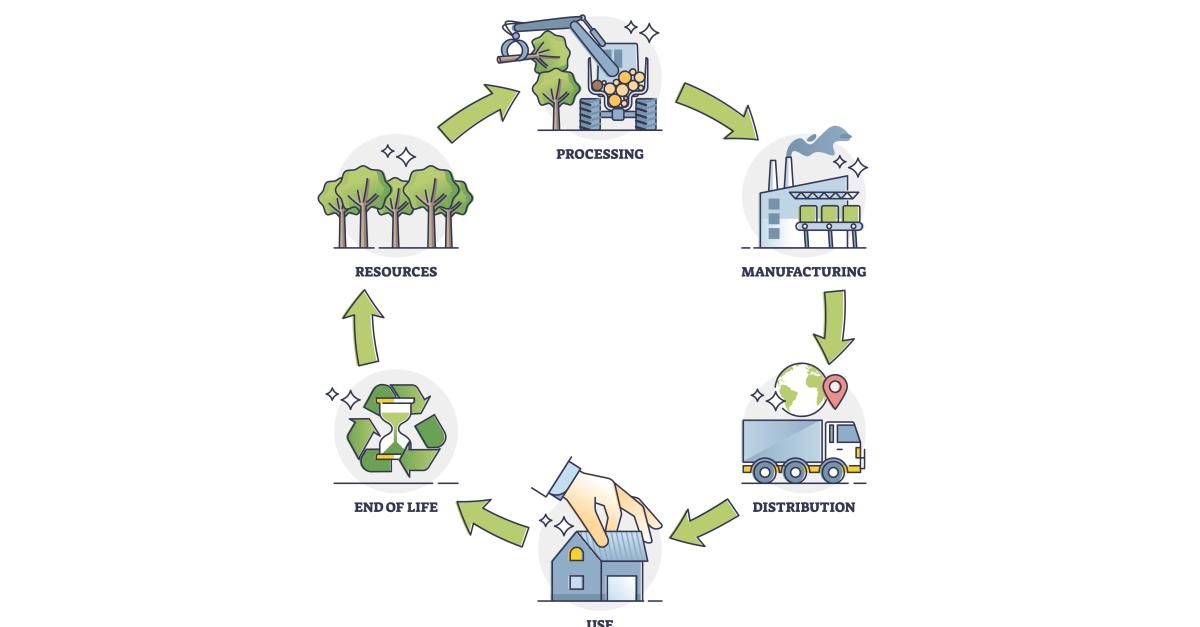
While municipalities have traditionally managed waste streams, EPR laws fundamentally alter who pays for and manages packaging waste — shifting the financial and operational burden of packaging waste management from local governments and taxpayers to manufacturers, importers and distributors. Producers now bear responsibility for the entire lifecycle of packaging, from production to post‑consumer disposal.
With seven states now implementing comprehensive EPR packaging requirements and more expected to follow suit, businesses must adapt to these new responsibilities for managing their packaging materials through end‑of‑life (the post‑consumer collection, sorting, recycling, composting and final disposal of packaging). Rather than just an environmental initiative, EPR has become an important business consideration affecting product development, distribution and financial planning. This consideration is amplified for companies operating across multiple jurisdictions.
This means that if you are selling cabinets into states that have enacted EPR laws you will have to comply with state regulations. For the cabinet industry packaging would include: plastic, polystyrene foam, packaging tape and cardboard.
You should not miss this webinar as compliance requirements are already in place in some states.